Component development
Problem: Customers weren’t receiving critical updates because we didn’t have communication surfaces that provided the right level of context and severity. As a result, teams created their own surfaces—leading to an inconsistent user experience.
Hypothesis: By building new components for critical updates and removing them from existing ones, customers will be better informed—and, as a result, we’ll receive fewer related tickets. We also hypothesized that engagement with existing surfaces would improve.
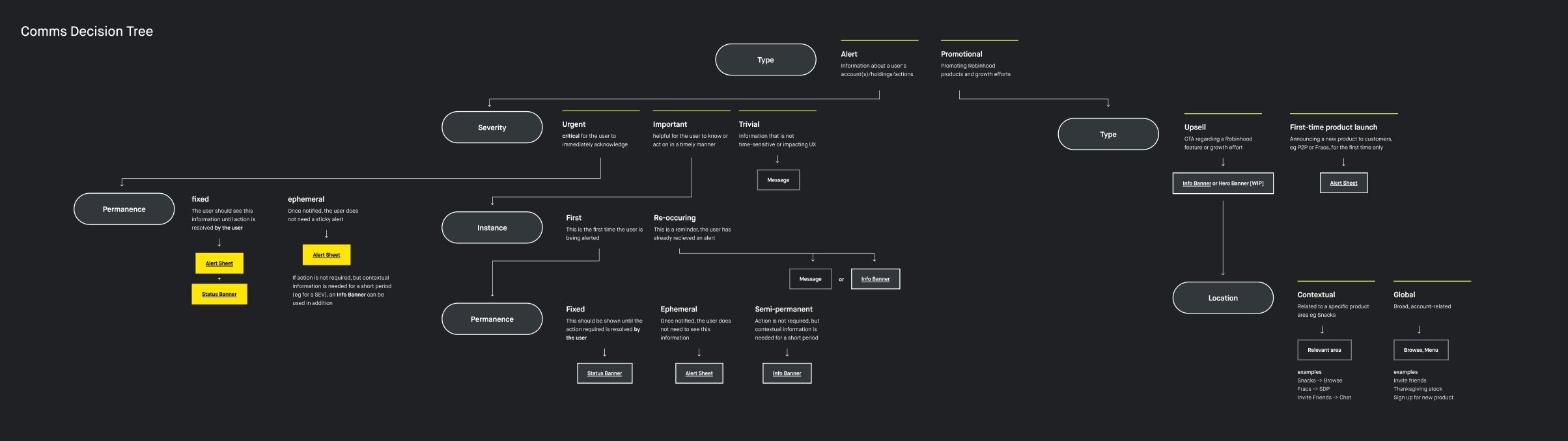
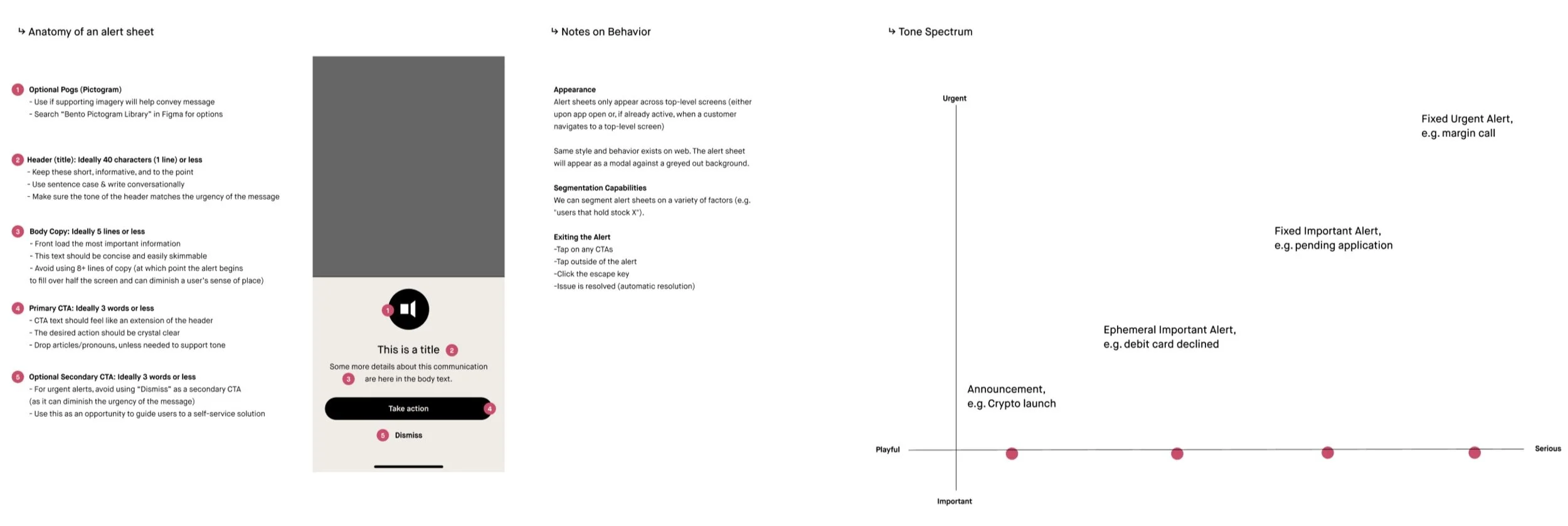
Deliverables: New in-app components for critical alerts, decision tree framework and content standards (based on user research) to help teams use them effectively
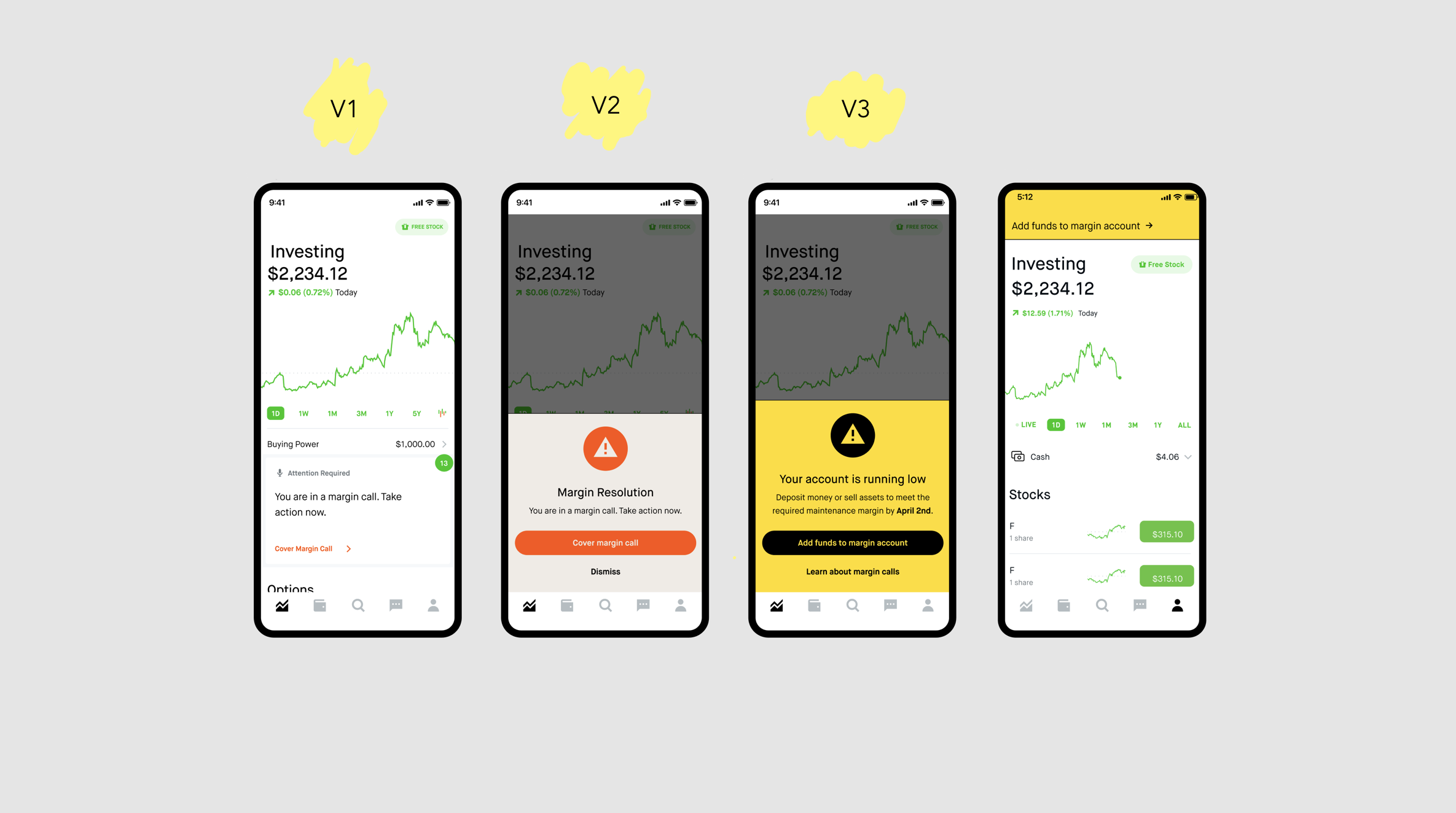
Process: We began by identifying critical alerts buried in our Cards surface, a component on the home page that stacked news updates with important account information. The alerts varied in severity, and some required a customer’s action while others didn’t. Based on these classifications, as well as a series of card sorts with customers, we then developed, iterated on, and experimented with new design components to communicate these messages.
Challenges:
We often need to communicate critical updates that don’t require a customer’s action: How do we communicate this information without it feeling dismissive or like a dead-end to customers?
As we move towards a multi-product world, a customer’s homepage in the app will vary depending on their primary use: How do we continue to meet customers where they are?
Customers experienced anxiety when they didn’t have a clear path to revisit critical communications: How do we think beyond these dismissible in-app components to account for this customer need?
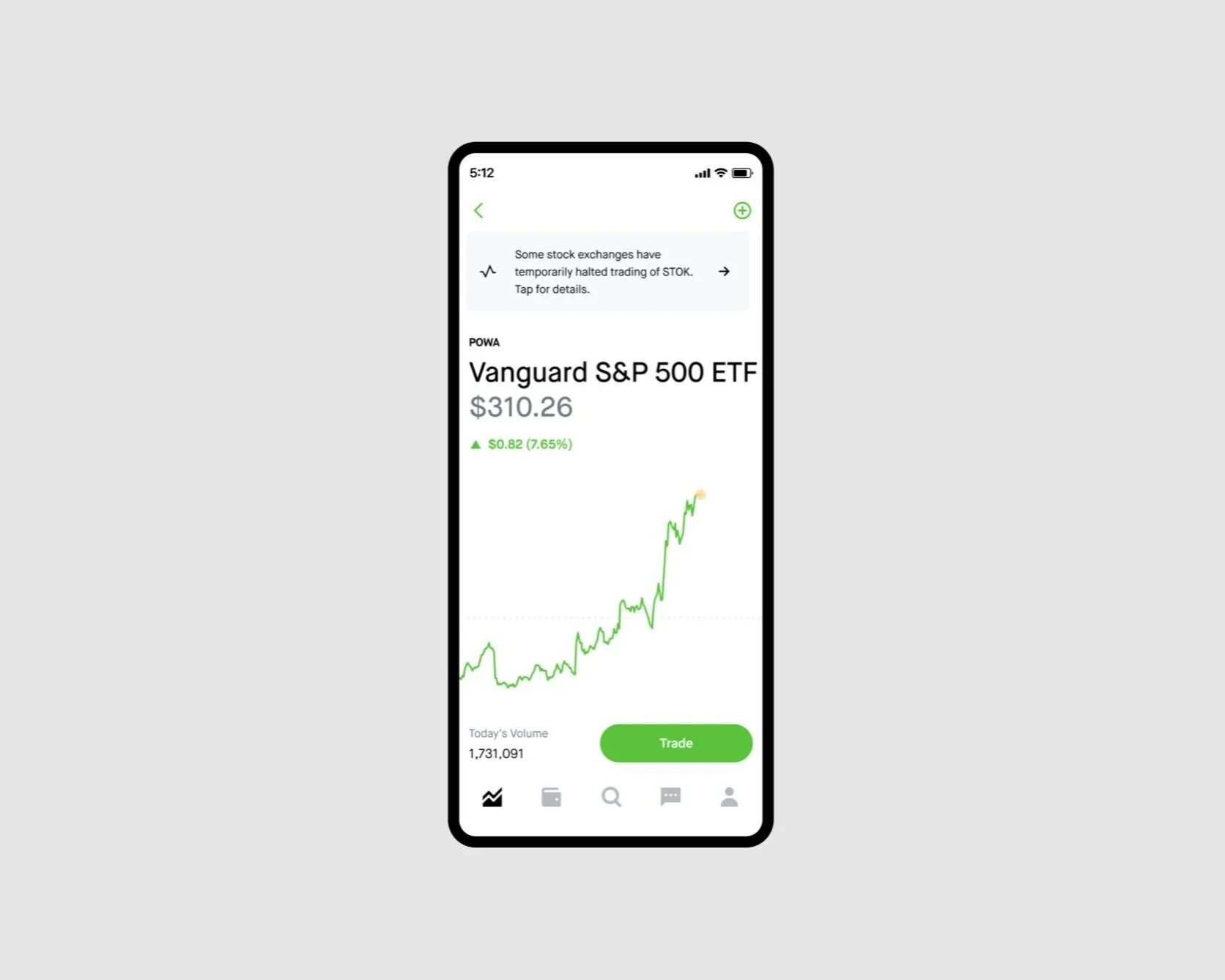
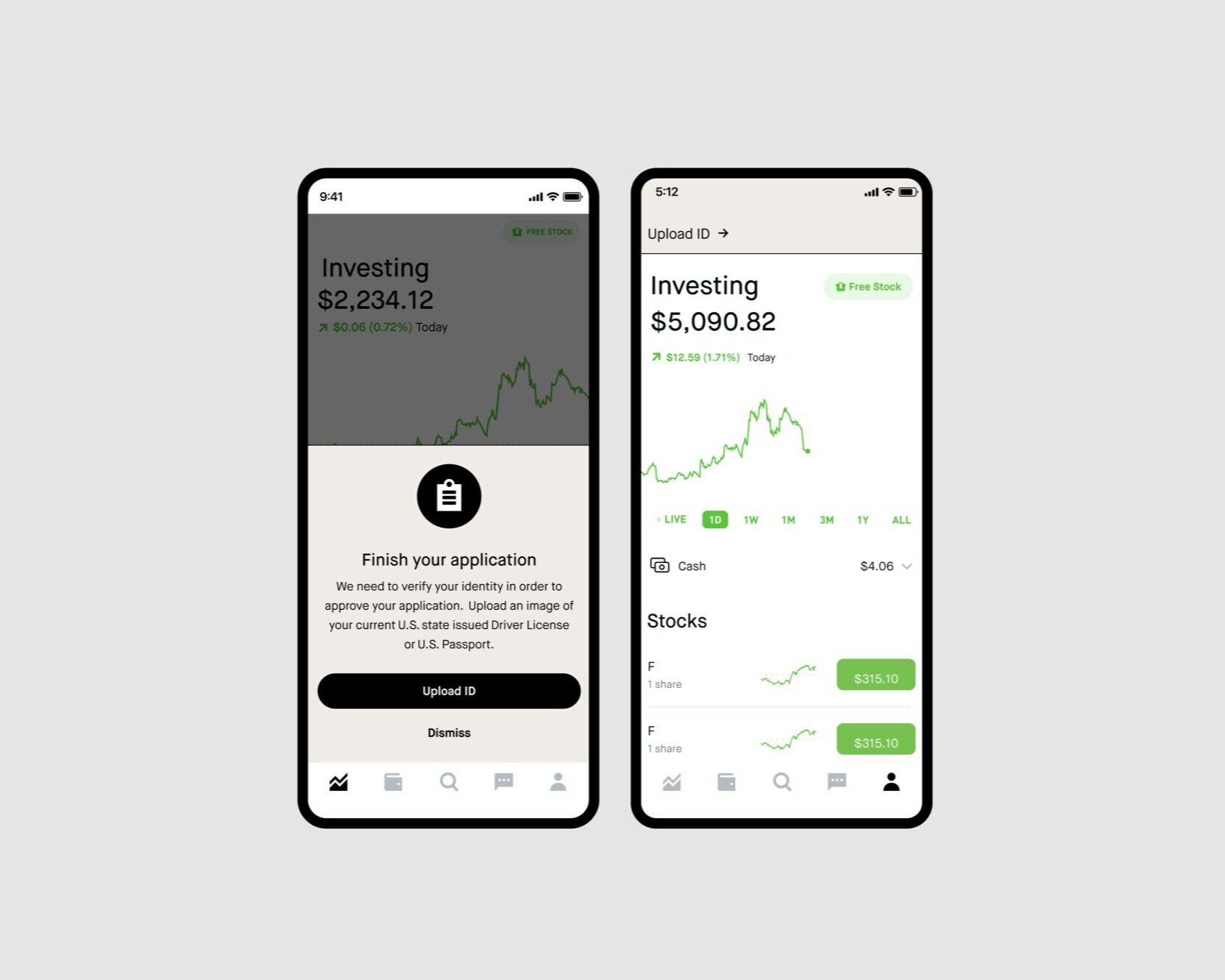
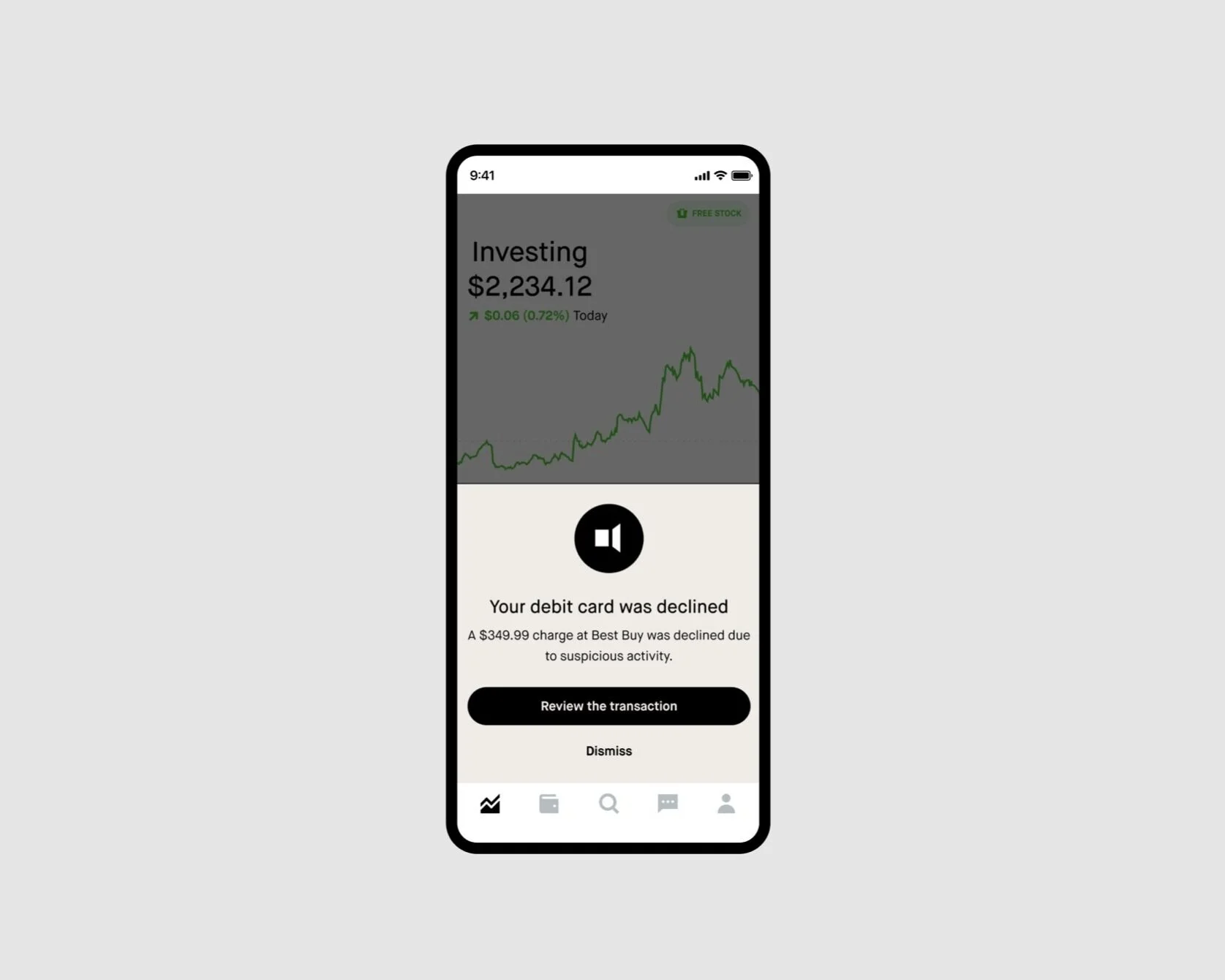
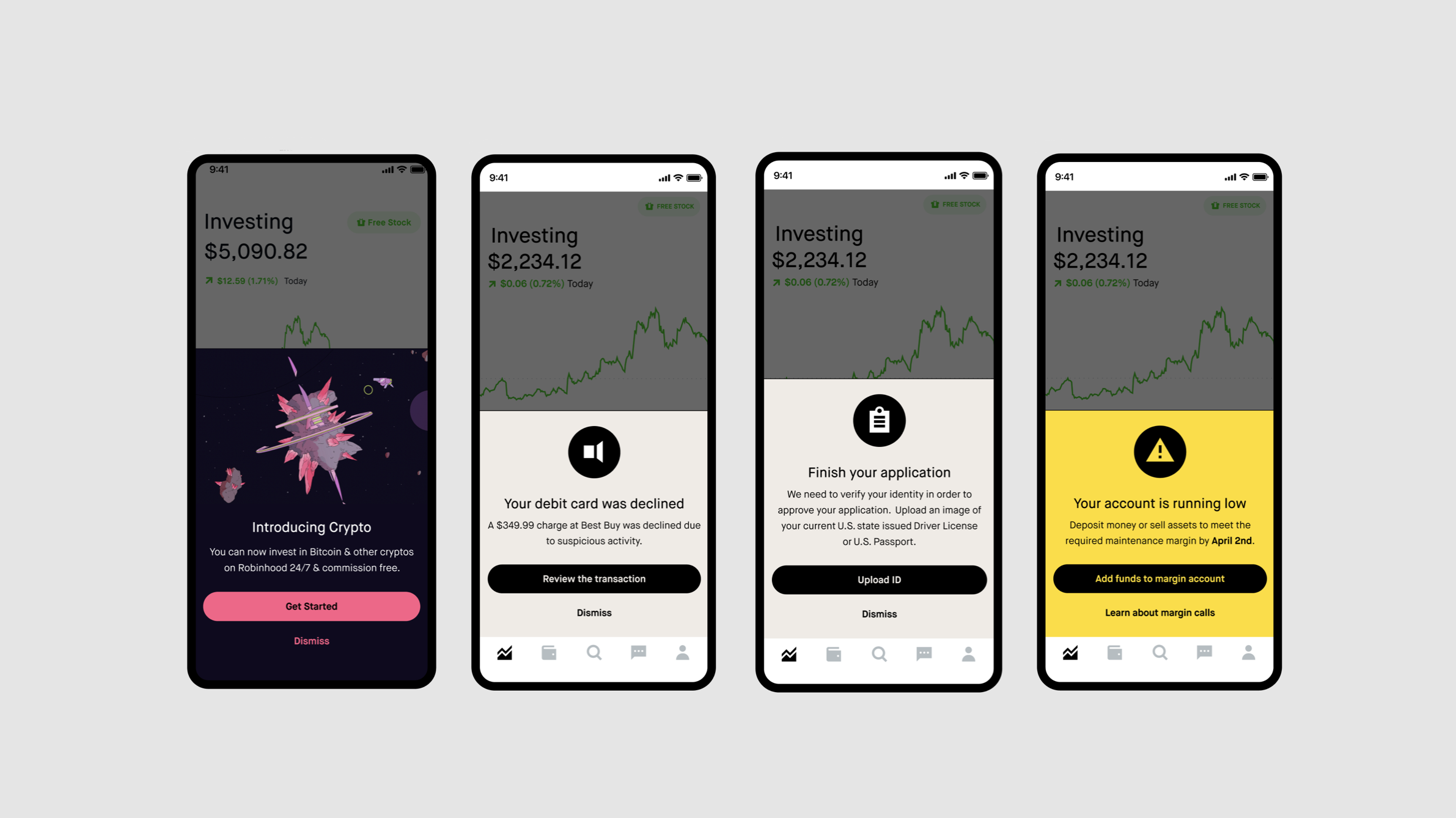
Solution: Four new in-app components ranging in persistency and stickiness and conveying different levels of urgency
Content standards with clear guardrails for application, including when to not use specific components
A decision tree that incorporates broader channel strategy—both in and out of app
Performance: Experiments are still running, but early results indicate a 1% drop in related tickets and a significant 7% increase in engagement for the existing Cards surface.